That Was So Close! The Hidden Reason Slots Keep You Spinning
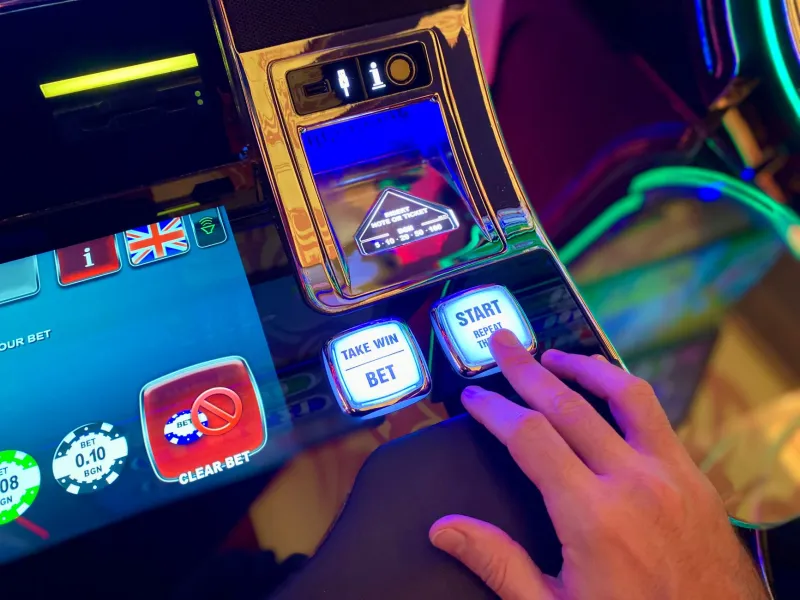
You're on a slot, three reels spinning. The first two land on the jackpot symbol. Your chest tightens. The third reel slows... and stops one click away from the line. You didn't win a penny, yet somehow you feel like you almost did. And almost feels like enough of a reason to try again.
That sensation has a name: the near miss. And it's one of the most powerful — and least talked about — psychological forces in online gaming.
What Actually Is a Near Miss?
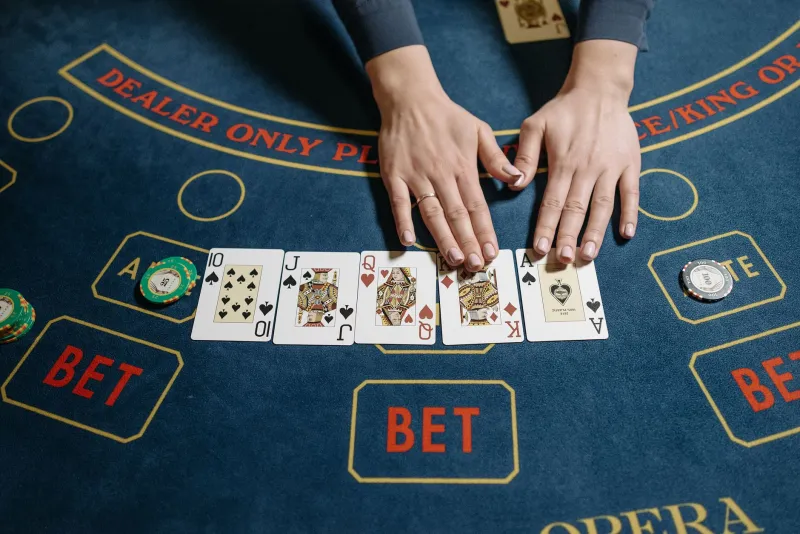
In gambling terms, a near miss is any outcome that falls just short of a win. On a slot machine, it's that rogue symbol landing on the line above or below the payline. On a scratchcard, it's matching two out of three symbols. In a card game, it's drawing a 22 when you needed a 21 to beat the dealer.
Critically, a near miss is still a loss. Mathematically, it's identical to landing three completely mismatched symbols. But your brain doesn't process it that way — not even close.
Research from the University of Exeter found that near misses activate the same reward pathways in the brain as actual wins. The nucleus accumbens — the part of your brain associated with pleasure and motivation — lights up during a near miss in a way it simply doesn't during a clear-cut loss. In other words, your brain is essentially lying to you, telling you that you nearly succeeded when the truth is you failed entirely.
The 'Almost' Trap: How It Keeps You Playing
The psychological power of the near miss lies in something called counterfactual thinking — the very human tendency to imagine how things could have gone differently. When you miss a jackpot by one position, your mind automatically constructs the version of reality where you won. That imagined win feels vivid, real, and — crucially — achievable next time.
This is where the trap springs. Rather than interpreting a near miss as further evidence that winning is difficult, many players interpret it as evidence that winning is imminent. The logic, though flawed, feels compelling: if I was that close, surely the next spin will get me there.
Dr. Luke Clark, a leading researcher at the University of British Columbia who has studied British gambling behaviour extensively, has described near misses as "losses disguised as wins." His work shows that players who experience more near misses during a session are significantly more likely to continue playing — and to do so for longer — than those who experience straightforward losses throughout.
Are Online Slots Designed Around This?
Here's where things get a bit uncomfortable. The answer, at least historically, is yes.
Traditional fruit machines in British pubs were notorious for being programmed to produce near misses more frequently than pure chance would generate them. The near-miss frequency was artificially inflated to keep players feeding coins. Since 2007, UK regulations have tightened considerably — the Gambling Commission requires that outcomes on regulated machines be genuinely random, meaning near misses can't be deliberately engineered beyond what probability naturally produces.
That said, with a game that has hundreds of symbols and multiple paylines, genuine randomness still produces plenty of near misses organically. The reels aren't rigged, but the feeling they create is still very real.
Online slots operated under UK Gambling Commission licences must comply with strict fairness standards, and reputable casinos publish their RTP (Return to Player) percentages. But understanding the rules of the game doesn't automatically switch off the emotional response your brain has to those tantalising near wins.
Loss Chasing: When 'One More Spin' Becomes a Pattern
Near misses don't just affect a single decision — they can set off a chain reaction known as loss chasing. You spin, you almost win, you spin again. You lose outright, but the memory of that near miss lingers. You're not chasing the loss itself so much as chasing the feeling that you were this close.
The UK Gambling Commission's own research has identified loss chasing as one of the strongest behavioural indicators of problem gambling. It's not about recklessness or poor maths skills — it's about a brain responding to emotional signals that feel more real than the cold logic of probability.
This is particularly relevant in online environments, where the pace of play is faster than in a physical casino or bookmaker. There's no walk to the bar, no chat with a mate at the next machine, no natural pause. The next spin is always one tap away.
Recognising the Pattern in Yourself
Awareness is genuinely the first line of defence here. Ask yourself honestly:
- Do you find yourself saying "just one more" more than once in a session?
- Does a near miss make you feel more motivated to continue than a straightforward loss?
- Are you replaying close outcomes in your head after you've stopped playing?
If any of these sound familiar, you're not broken or weak — you're human. These responses are wired into us. But recognising them gives you the power to pause.
Tools like session time limits, deposit caps, and reality checks (available on all UK-licensed platforms) exist precisely to interrupt these automatic responses before they escalate. GamStop, the UK's free self-exclusion scheme, is also worth knowing about if you feel your play is becoming harder to control.
Playing Smarter Starts With Playing Honestly
Understanding why near misses feel the way they do doesn't make them feel any less electric in the moment — but it does change the story you tell yourself afterwards. That third reel didn't almost land on the jackpot. It landed where it landed, and the next spin has no memory of it whatsoever.
The slot doesn't know you were close. Only you do. And now you know why that feeling exists — and what it's asking you to do with it.
Play for entertainment, set your limits before you start, and treat every spin as its own isolated event. Because that's exactly what it is.